


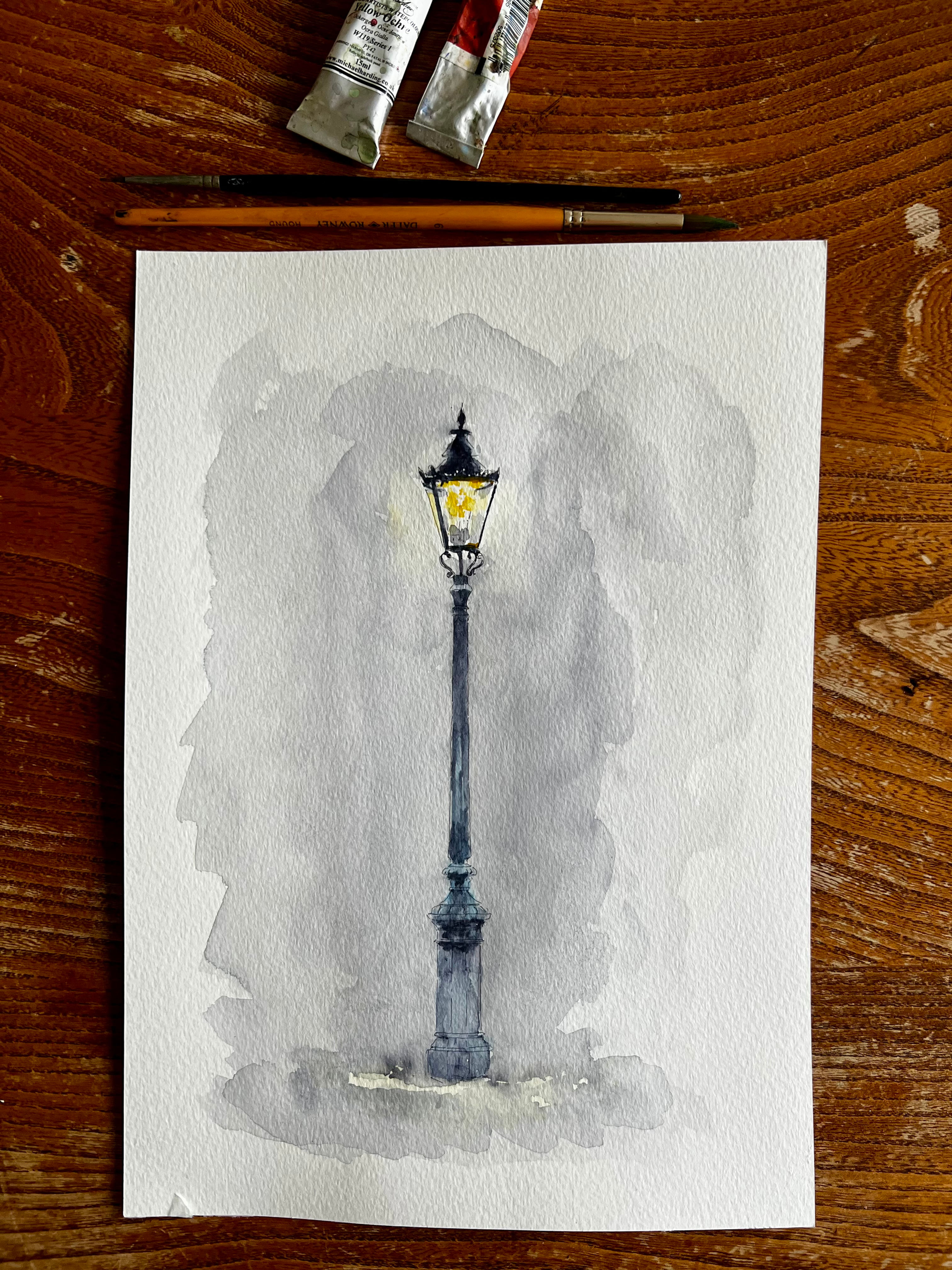

London retains around 1,300 working gas lamps, with about 270 of them located in Westminster. These historic gas lamps are significant both architecturally and culturally as they have been part of London’s identity for more than two centuries, dating back to the first recorded gas-powered street lamps in Pall Mall in 1807. Many of these lamps are now listed to protect them, with recent efforts to secure Grade II-listed status for several lamps in Covent Garden, installed in 1910 to mark King George V’s reign. London Gasketeers, a campaign group, actively works to protect these lamps, which are maintained by a team of British Gas attendants who keep the lamps lit and wind their mechanical timers to account for changing dusk times. The warm, distinctive glow of the gas lamps contributes to the ambiance of London’s historic streets, an effect not replicable by modern lighting.
Interesting fact...
London has a problem with sewer gas, it smelt and could be dangerous.
In the late 19th century, the Webb Patent Sewer Gas Lamp was invented by Joseph Webb to address the problem of methane gas build-up in the city’s sewer system. These lamps were installed above sewers to burn off methane gas collected from below, helping both to ventilate the sewer gases and illuminate the streets. The lamp would draw gas too it. There is actually one left and stands on Carting Lane (nicknamed Farting Lane) it still runs on sewer gas.
